
THE POWER OF SOUND
Sound is more than something you hear.
It is vibration. It travels through air, moves through the body, and is constantly being interpreted by the brain and nervous system.
During a sound experience, different tones, rhythms, frequencies, and periods of silence create changing patterns of stimulation. You may notice your breathing slow, your attention shift, your muscles release, or your thoughts become less demanding.
You do not need to understand the science to experience it. But understanding a little about how sound works can make the experience even more interesting.
FREQUENCY
Every sound vibrates at a particular rate, measured in Hertz, or cycles per second. Lower frequencies tend to sound deeper. Higher frequencies sound brighter or lighter. A sound bath combines many frequencies and overtones to create a rich field of sound.
RESONANCE
Resonance happens when one vibrating system responds to another vibration. You have experienced this if you have ever felt bass through the floor or felt music vibrate in your chest. Sound is not only heard through the ears. We can also physically sense vibration.
ENTRAINMENT
Entrainment is the tendency of rhythmic systems to synchronize with one another. Our bodies contain rhythms of their own, including breathing, heartbeat, sleep cycles, and patterns of brain activity. Research suggests that rhythm and music can influence physiological timing, including breathing and cardiovascular responses.

WHAT IS ACTUALLY HAPPENING DURING A SOUND BATH?
You are not simply listening to pretty sounds.
Your auditory system is continuously detecting changes in pitch, volume, rhythm, tone, and timing. The brain processes those signals while your attention shifts away from ordinary conversation, screens, decisions, and mental demands.
Slower rhythmic patterns and predictable sound can sometimes encourage slower breathing and reduced arousal. Music and auditory stimulation have also been studied for their effects on the autonomic nervous system, including heart rate variability and other measures associated with stress and recovery.
At the same time, the experience is highly individual. One person may feel deeply relaxed. Another may notice imagery, emotion, physical vibration, wandering thoughts, or simply an unusual sense of time.
There is no “correct” response.

WHY CAN YOU FEEL SOUND?
Think about standing beside a large speaker at a concert.
You hear the music, but you also feel the bass.
Sound is mechanical vibration traveling through a medium such as air. When those vibrations reach us, they are detected primarily through the auditory system, but strong low-frequency sound can also be experienced physically through the body.
That is part of what makes instruments such as gongs, drums, crystal bowls, and large crystal bowls feel so different from listening to ordinary recorded music.

WHAT DOES ENTRAINMENT MEAN?
Imagine two metronomes ticking at slightly different speeds on the same movable surface. Under the right conditions, their timing can gradually begin to coordinate.
That tendency for rhythmic systems to synchronize is called entrainment.
Humans are rhythmic systems too. We breathe in patterns. The heart beats rhythmically. Brain activity contains oscillatory patterns.
Scientists have observed relationships between musical tempo and changes in breathing, heart rate, blood pressure, and other autonomic measures. That does not mean a singing bowl can simply “set” your body to a particular frequency. The relationship is much more complex. But it helps explain why rhythm and sound can influence how activated or settled we feel.
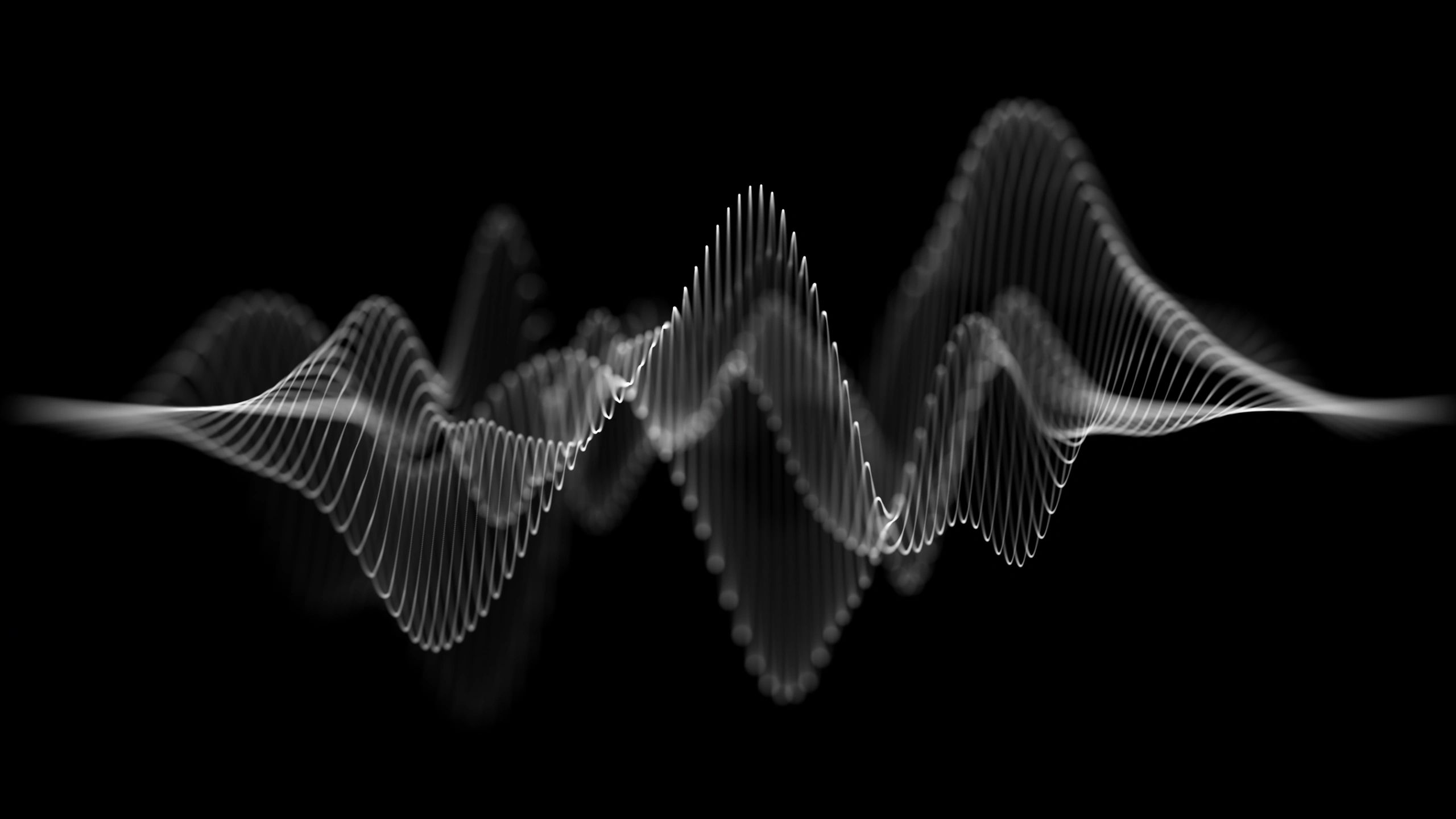
FREQUENCY: WHAT DOES IT MEAN?
A frequency tells us how quickly something vibrates.
One Hertz means one vibration per second. A 440 Hz tone vibrates 440 times per second.
That tells us the pitch of a tone. It does not, by itself, tell us what that sound will do to the body.
The experience of sound depends on much more than one number: volume, rhythm, duration, harmonics, musical intervals, the instruments being used, the environment, and even the listener’s own associations and preferences.
That is why I work with sound as a layered experience rather than focusing on one supposedly “magic” frequency.

WHY USE SO MANY INSTRUMENTS?
Because each creates a different acoustic experience.
Crystal singing bowls produce long, sustained tones with strong overtones.
- Himalayan bowls create complex metallic harmonics.
- Gongs generate a wide spectrum of frequencies that continually change as the instrument opens up.
- Drums add rhythm and stronger low-frequency energy.
- Chimes introduce lighter, shorter sounds.
- Tuning forks provide precise individual tones.
- Flute and voice add melody, breath, and human expression.
A thoughtfully designed sound journey uses those differences intentionally rather than playing every instrument simply because it is available.
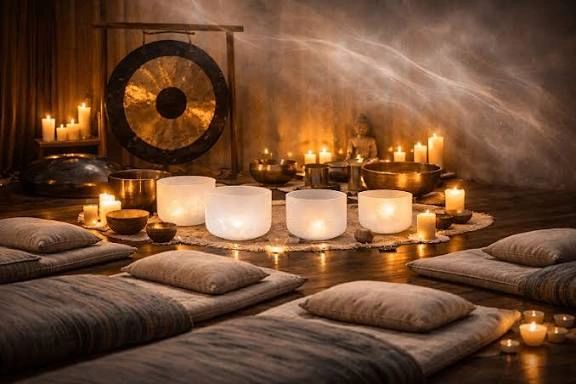
WHAT A SOUND BATH WITH EVOKE88 FEELS LIKE...
I do not approach a sound bath as a performance or simply play bowls from beginning to end.
I build the experience gradually.
We begin with a brief introduction and an opportunity to get comfortable. Sound is introduced slowly, allowing your attention to settle. Different instruments, tones, rhythms, and periods of silence are then layered throughout the experience.
There may be moments that feel spacious and subtle and others where the sound becomes fuller and more immersive. Then the sound gradually resolves rather than simply stopping.
You can lie down or remain seated. You do not need to meditate, visualize, believe anything, or have any prior experience.
Your only job is to listen.